

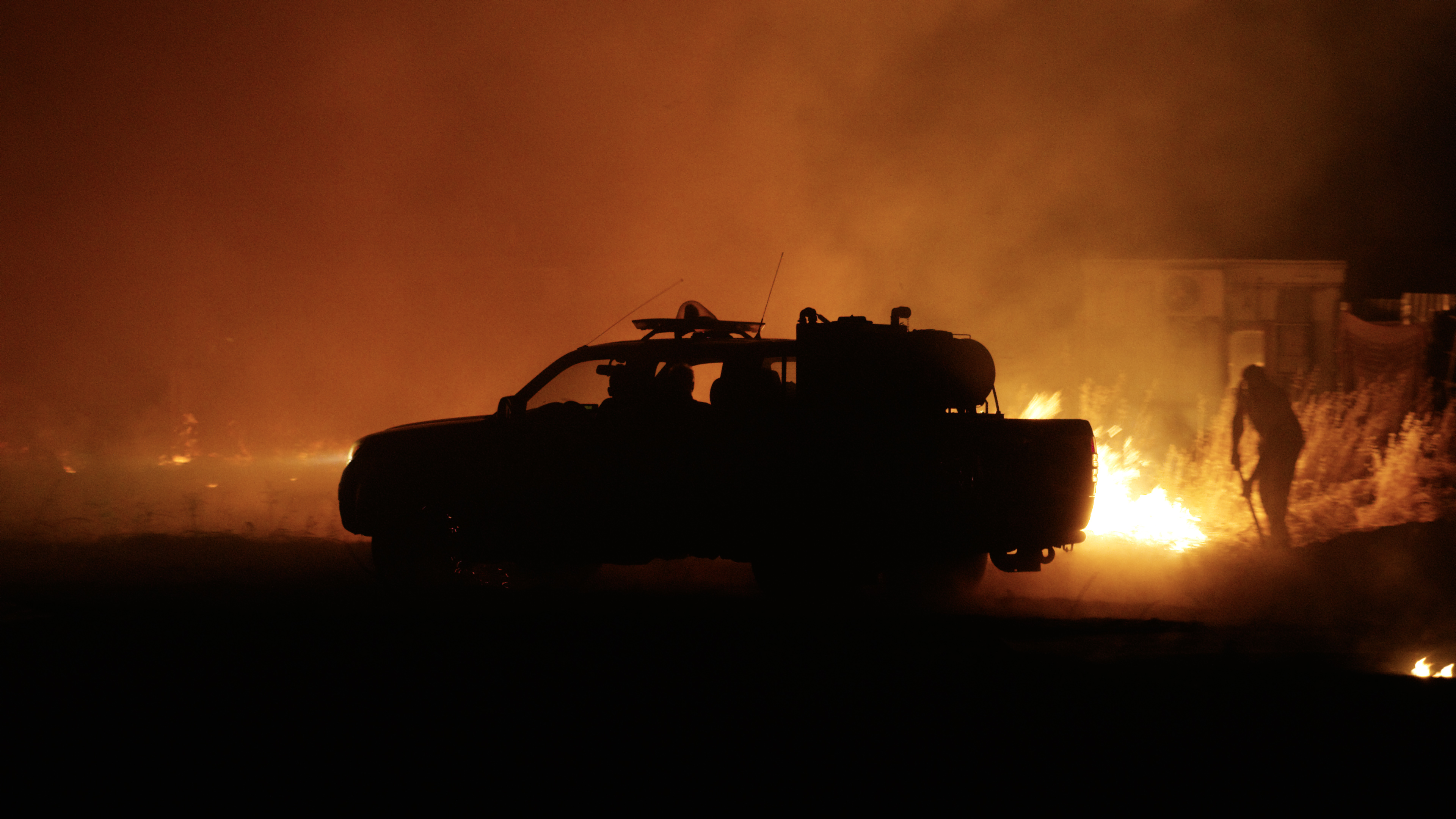

Our campaign has been hosting high-level dialogue with retailers, unions, human-rights lawyers, and policymakers, including a European Parliament reception, sector debates online and in person, and international exchanges on the concept of Worker-driven Social Responsibility. These positioned the demand for a FAIR PICK not as a confrontational protest but as a credible convening platform for reform.
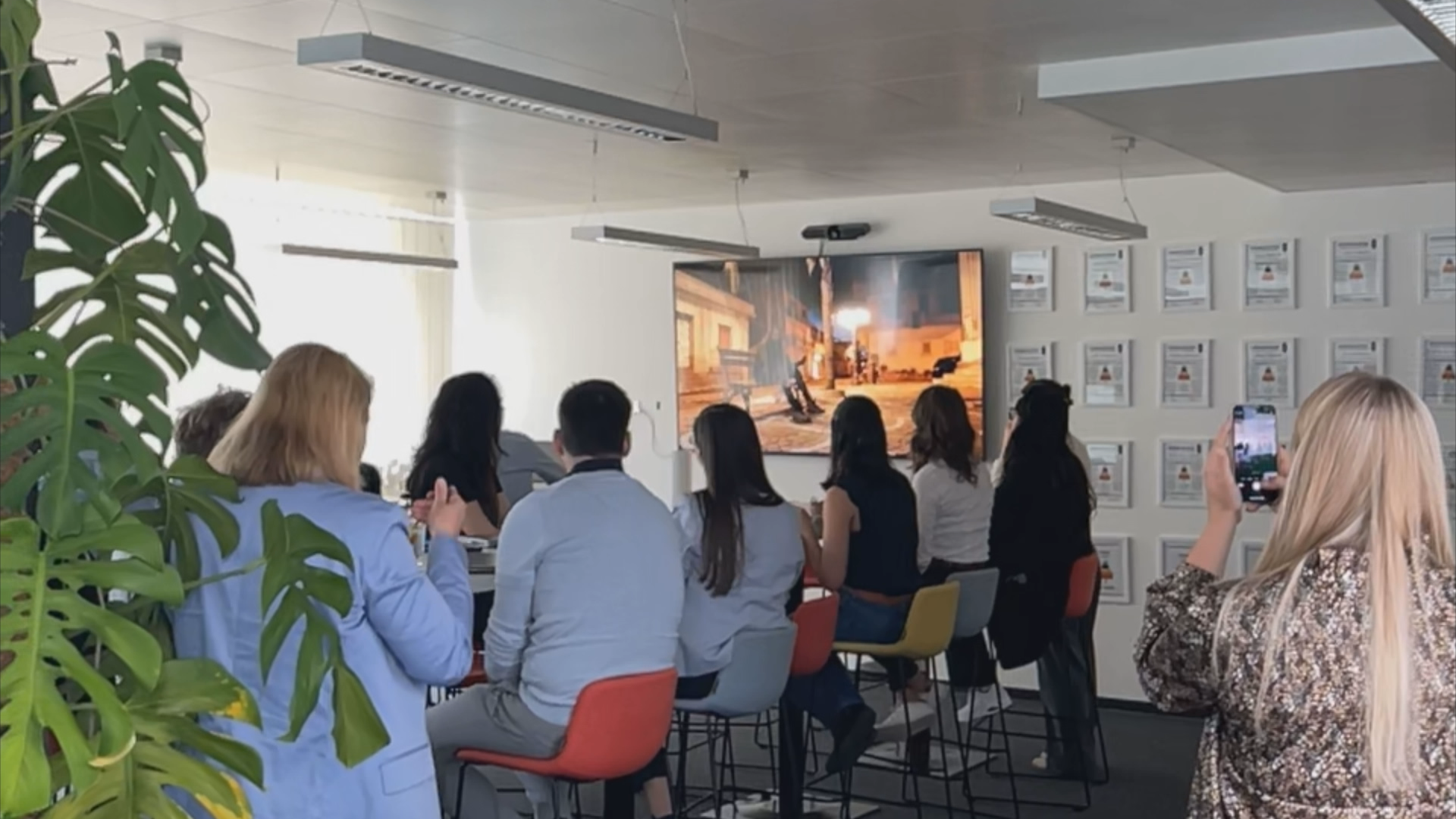 We took 'fair' oranges and the film to the global headquarters of ALDI Süd Holding in Salzburg.
From isolated abuse to systemic risk
THE PICKERS Campaign has shifted how exploitation is understood inside the produce sector. Corporate and trade audiences increasingly acknowledged that labour abuses are not anomalies but structural risks produced by weak governance and price pressure. At ALDI Süd’s international headquarters, sustainability and buying teams accepted that grievances across European supply chains are rising and that enforcement, not voluntarism, is required.
Breaking Europe’s ethical blind spot
Fair-trade and organic organisations were encouraged to confront exploitation inside Europe’s own fields. This led to partnerships with Fairtrade Italia and Swiss Fair Trade and debates with organisations such as Bio Suisse about extending social standards to European production.
Informing the legislative process
Our campaign has been informing the debate in decisive political moments, including the defence of Germany’s Supply Chain Act, the successful launch of the Swiss people’s initiative for Corporate Responsibility, and the threats to the EU Corporate Sustainability Due Diligence Directive. Our European Parliament event with clips from THE PICKERS on 11 November 2025 provided reform advocates with a shared narrative just days before a crucial vote on the Commission’s Omnibus I package.
From film to local action
At community level, film screenings trigger cooperative buying initiatives, ethical sourcing reviews, and public conversations that linked climate, migration, and labour justice. Many participants discovered for the first time that 'organic' does not necessarily mean 'fair to humans'.
Introducing Worker-driven Social Responsibility (WSR)
By bringing the US-based Fair Food Program into European debate, our campaign seeks to establish WSR as a serious alternative to audits and voluntary codes. Unions, migrant worker groups, and Members of the European Parliament have shown immediate interest, and exploratory pathways toward European collaborations are emerging in Germany and Italy.
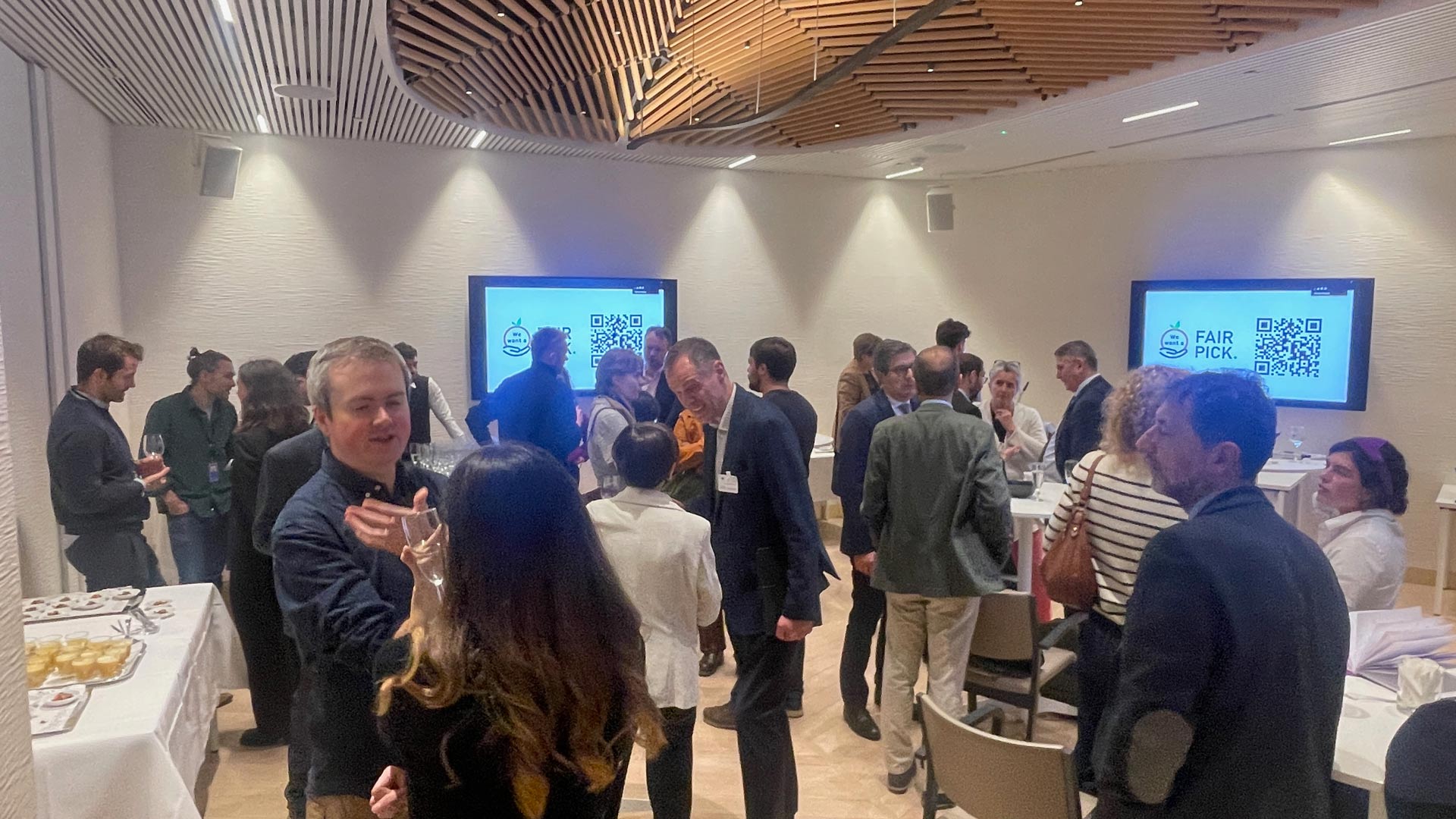 THE PICKERS Campaign hosting a presentation and reception in the European Parliament
Transforming a documentary into movement infrastructure
THE PICKERS Campaign has laid the foundations with engaged communities, institutional allies, corporate entry points, and a shared framework for reform.
Rather than closing with the final screening of THE PICKERS, the campaign encourages a new phase of European action on migrant workers’ rights, grounded in compassion, evidence, relationship-building, and political momentum.
In 2026 and early 2027, we use the new film THE UNSEEN to keep up that momentum.
 We now work with Swiss Fair Trade towards building a FAIR PICK Coalition, bringing together key stakeholders in the produce sector. They already have experience with a similar multi-stakeholder initiative in the textile industry: Sustainable Textiles Switzerland.
Key opportunities to pick on the system
There are many real-world examples of actions that are transforming the system. This transformation will be driven by legislation, organisations and people who are picking up opportunities to improve conditions for migrant workers.
We can all learn from and check for or adopt these examples of best practice:








The EU’s Common Agricultural Policy is a set of policies, primarily farming subsidies, that supports European farming and incentivises sustainable practices. One key criticism of the Common Agricultural Policy is a general failure to hold recipients of subsidies accountable for human rights and environmental conditions.
The introduction of a social conditionality clause to the latest EU Common Agricultural Policy (2023 to 2027) aims to address this. It stipulates certain minimum standards for worker health and safety, threatening farmers and food producers with administrative sanctions if such standards are not upheld.
Our partners at FIAN International say that the upcoming EU CAP reform needs to reflect social conditionality far more comprehensively.